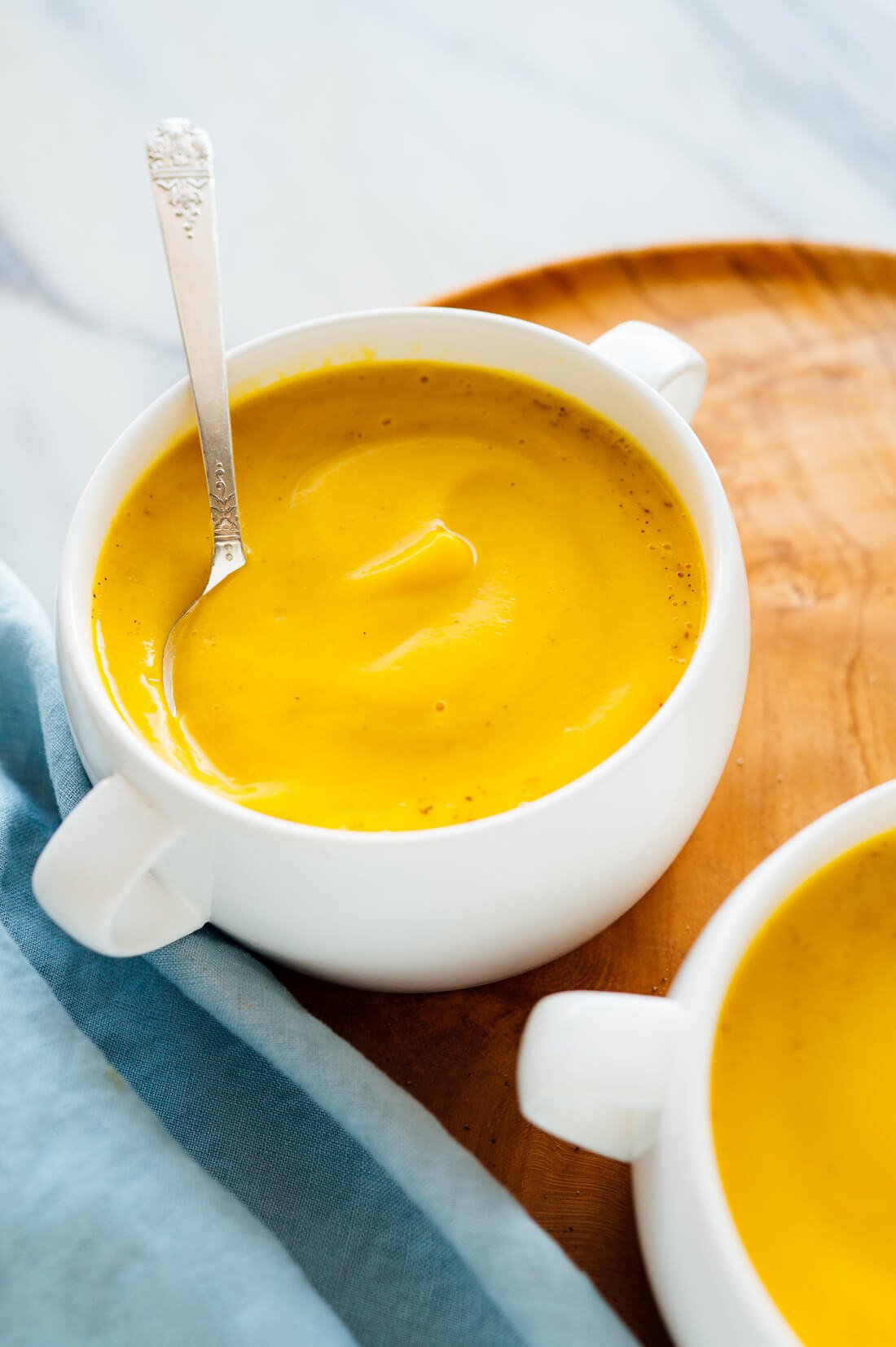
Butternut Squash Soup: Your Go-To for Cozy Nights & Holiday Tables
As autumn leaves begin to fall and the air turns crisp, few dishes evoke a sense of warmth and comfort quite like a velvety bowl of butternut squash soup. This naturally sweet and incredibly versatile soup is more than just a seasonal favorite; it's a culinary cornerstone that seamlessly transitions from a comforting weeknight meal to an elegant starter for your holiday gatherings. Its vibrant color and rich, satisfying flavor make it a perennial classic, and best of all, it's surprisingly simple to prepare.
Forget bland, watery versions; the secret to an outstanding butternut squash soup lies in a few key techniques that unlock the squash's deepest, most complex flavors. By focusing on roasting, building a robust aromatic base, and balancing sweetness with a touch of tang, you can create a masterpiece that will have everyone asking for seconds. Get ready to discover why this soup is about to become your absolute go-to.
The Magic of Roasted Butternut Squash: Unlocking Deep Flavor
While you might be tempted to boil or steam your butternut squash, roasting is the undisputed champion for developing truly exceptional flavor in your soup. This crucial step caramelizes the natural sugars within the squash, creating a depth and sweetness that simply can't be achieved otherwise. Think of it as concentrating the squash's essence, transforming it from merely good to truly sublime.
Selecting and Preparing Your Squash
Before you even preheat your oven, start with the right squash. Look for one that feels heavy for its size, indicating a higher water content and thus more flesh. Its skin should be smooth and free of blemishes. While peeling and cubing a raw butternut squash can be a bit of a workout, roasting it first makes the process much, much easier. Here’s how to do it:
- Halve and Seed: Carefully cut the squash in half lengthwise. A sturdy chef's knife is your friend here. Scoop out the seeds and stringy bits with a spoon. You can save the seeds to roast later for a delicious topping!
- Oil and Roast: Place the squash halves, cut-side down, on a parchment-lined baking sheet. Rub a little olive oil over the skin. Roasting at 425°F (220°C) until the flesh is tender—usually 30-45 minutes—is ideal. The high heat encourages that beautiful caramelization.
- Cool and Peel: Let the roasted squash cool slightly so it's comfortable to handle. The skin will now peel off effortlessly, or you can simply scoop the tender flesh directly from the skin. Cut the roasted squash into chunks.
Pro Tip: This roasting step can be done a day or two ahead of time, making soup preparation on a busy weeknight a breeze. Just store the cooled, roasted squash in an airtight container in the refrigerator. For more detailed insights into this fundamental technique, explore our guide on Roasted Butternut Squash Soup: Unlock Deep Flavor & Easy Prep.
Crafting the Perfect Butternut Squash Soup Base: Aromatics and Spices
Once your squash is ready, the next step is to build a flavorful foundation for your butternut squash soup. This involves carefully sautéing aromatics and infusing the base with warming spices that complement the squash's inherent sweetness.
Building the Aromatic Foundation
In a large pot or Dutch oven, heat a bit of olive oil over medium heat. Add finely chopped onion and sauté gently until it begins to soften and turn translucent, even slightly golden. This slow sautéing process coaxes out the onion's natural sweetness and creates a deeper, more complex flavor profile for your soup.
Next, introduce fresh, minced garlic and ginger. Ginger is a fantastic addition, providing a gentle warmth and a subtle, zesty kick that beautifully balances the sweetness of the squash. If you appreciate a hint of heat, a tiny pinch of cayenne pepper added at this stage will awaken the palate without overpowering the delicate flavors. Cook these aromatics for just another minute or two until fragrant, being careful not to burn the garlic.
The Role of Stock
With your aromatics fragrant and golden, it's time to add the liquid. Pour in a good quality stock – about two cups to start. Low-sodium stock is generally preferred, as it gives you greater control over the final seasoning of your soup. While vegetable stock is a common choice, don't hesitate to use chicken broth for an even richer, more savory base. Add your roasted squash chunks to the pot, bring the mixture to a simmer, then cover and let everything meld together for about 10-15 minutes. This simmering time allows the flavors to fully integrate and ensures the squash is incredibly tender for blending.
Achieving Velvety Smoothness (Without Cream!)
One of the most appealing qualities of butternut squash soup is its luxurious, creamy texture. The fantastic news is that you can achieve this dreamy consistency without adding a drop of heavy cream, relying instead on the natural starches and fibers of the butternut squash itself.
Blending Techniques for a Silky Finish
Once your soup has simmered and the squash is undeniably tender, it's time to blend. You have a couple of excellent options:
- Immersion Blender: This is arguably the easiest method. Simply insert the immersion blender directly into the pot and blend until the soup is completely smooth. It eliminates the need to transfer hot liquid, minimizing mess and effort.
- Regular Blender: If you're using a traditional stand blender, work in batches. Crucially, let the soup cool slightly before blending. Hot liquids expand rapidly in a blender, and blending them without proper precautions can be dangerous. Fill the blender no more than halfway, secure the lid tightly (often holding it down with a towel for extra safety), and start blending on a low speed, gradually increasing. A small opening in the lid (if your blender has one) can help release steam.
Blend until the soup is absolutely silken, with no visible lumps. If you find your soup is too thick, gradually add more stock, a little at a time, until you reach your desired consistency. Some prefer a heartier, thicker soup for dipping crusty bread, while others like a slightly thinner texture. The beauty is that you're in control! For a deeper dive into making your soup incredibly smooth and rich without dairy, check out our guide on Creamy Butternut Squash Soup: Simple Recipe, No Cream Needed.
Elevating Your Butternut Squash Soup: Sweetness, Tang, and Garnish
The final touches are where your butternut squash soup truly shines, allowing you to fine-tune the flavors and presentation to perfection. A well-balanced soup plays on all the taste buds, and a thoughtful garnish elevates the experience from simple to sensational.
Finding the Perfect Balance of Sweetness and Tang
Butternut squash naturally brings a wonderful sweetness, but sometimes a little enhancement or counterpoint can make all the difference. Taste your soup before adding any sweeteners. You might find your squash is naturally sweet enough. If not, a touch of brown sugar adds a lovely molasses-like depth, while maple syrup offers a distinctly seasonal, autumnal note. Honey is another excellent choice for a natural sweetness.
Beyond sweetness, consider adding a hint of tang. A splash of rice vinegar or a squeeze of fresh lime juice can introduce a surprising sparkle, cutting through the richness and brightening the overall flavor profile. It’s a trick that sophisticated chefs use to make flavors pop!
Finally, season generously with salt and freshly ground black pepper. These staples are essential for bringing all the flavors into harmony.
Creative Garnish and Serving Suggestions
Once your butternut squash soup is perfectly seasoned, it's ready to be ladled into bowls and adorned with garnishes that add texture, flavor, and visual appeal. This is your chance to get creative and tailor the soup to the occasion:
- Creamy Touches: A dollop of sour cream, crème fraîche, or plain Greek yogurt adds a delightful tang and creamy contrast.
- Herbs: Fresh sage leaves (crispy fried sage is incredible!), chopped chives, parsley, or thyme contribute freshness and aromatic notes.
- Crunch Factor: Homemade croutons, toasted pumpkin seeds (pepitas), toasted pecans or walnuts, or even crispy bacon bits provide a satisfying textural contrast.
- Cheese Please: A sprinkle of grated Parmesan, crumbled goat cheese, feta, or sharp cheddar can introduce a salty, savory kick that pairs beautifully with the squash's sweetness.
- Drizzles: A swirl of high-quality extra virgin olive oil, a few drops of toasted pumpkin seed oil, or even a drizzle of maple syrup can add a final flourish.
For serving, a bowl of butternut squash soup is incredibly versatile. It makes a hearty and satisfying meal when paired with a loaf of crusty bread, warm biscuits, or homemade garlic bread. For a lighter accompaniment, consider a fresh kale and apple salad. As a first course, it sets a sophisticated tone for holiday meals and other fall gatherings, leading beautifully into main dishes like roasted turkey or ham. Imagine pairing it with a skillet of cast iron cornbread or even savory muffins – the possibilities are endless!
Conclusion
From its humble beginnings as a simple squash to a magnificent, comforting bowl of warmth, butternut squash soup is a testament to the power of thoughtful preparation and balanced flavors. By embracing the magic of roasting, building a fragrant aromatic base, and perfecting its silky texture, you can create a soup that's both elegant and deeply satisfying. Whether you're seeking comfort on a chilly evening or an impressive dish for your holiday table, this versatile soup delivers every time. So, gather your ingredients, follow these steps, and prepare to delight your senses with a homemade butternut squash soup that tastes like pure autumn bliss.
