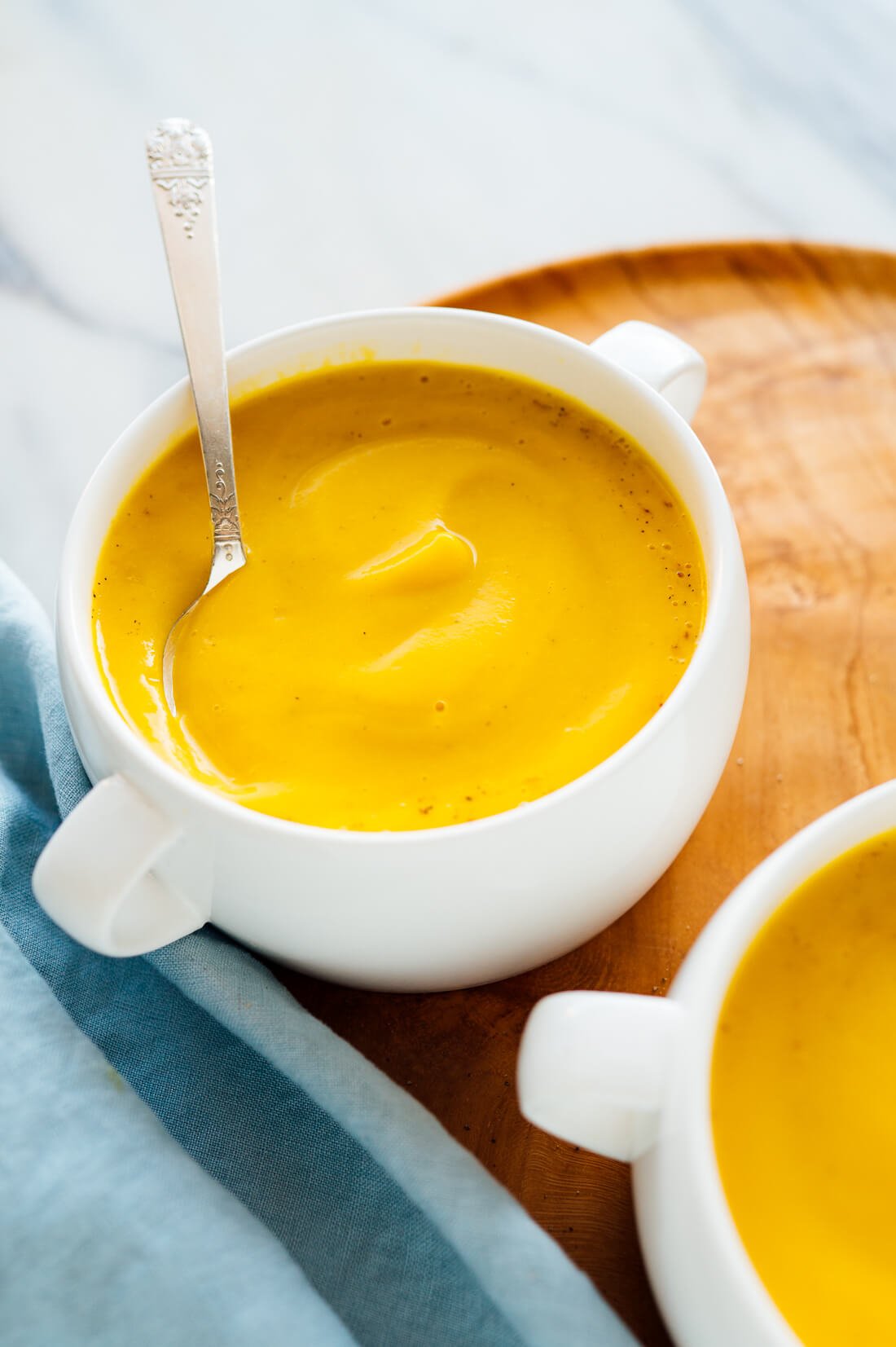
Roasted Butternut Squash Soup: Unlock Deep Flavor & Easy Prep
As autumn leaves begin to turn and a crisp chill fills the air, few culinary creations offer as much comfort and warmth as a rich, velvety bowl of butternut squash soup. But not just any butternut squash soup – we're talking about the kind that boasts an unparalleled depth of flavor, born from a simple yet transformative technique: roasting. This article will guide you through crafting a roasted butternut squash soup that's not only incredibly delicious and satisfying but also surprisingly easy to prepare, making it perfect for both a cozy weeknight dinner or an elegant starter for your holiday table.
Forget bland, watery versions; this recipe leverages the natural sweetness and earthy notes of butternut squash, intensified through caramelization. Combined with aromatic companions like onion, garlic, and a hint of spice, it delivers a taste experience that is both sophisticated and wonderfully nostalgic. Prepare to elevate your culinary game and discover why roasting is the secret weapon behind truly exceptional butternut squash soup.
The Secret Weapon: Why Roasting Transforms Your Butternut Squash Soup
While boiling or steaming butternut squash can result in a perfectly edible soup, it pales in comparison to the flavor explosion achieved through roasting. This crucial preliminary step is the cornerstone of our recipe, concentrating the squash's natural sugars and introducing complex, nutty undertones that simply can't be replicated otherwise. Here's why roasting is non-negotiable for the best butternut squash soup:
- Intense Sweetness: High heat caramelizes the sugars within the squash, creating a far sweeter, more profound flavor profile than raw or boiled squash. This natural sweetness means you might need less added sugar later.
- Depth of Flavor: The Maillard reaction – the scientific process behind browning – develops new aromatic compounds, adding layers of savory, toasted notes that give the soup a remarkable richness and complexity.
- Easier Peeling: Don't dread wrestling with tough raw squash skin! Roasting the squash halves until tender makes the skin incredibly easy to remove, practically slipping off with minimal effort. This alone is a game-changer for many home cooks.
- Less Watery Texture: Roasting removes some of the moisture from the squash, resulting in a less watery base for your soup, which in turn contributes to a thicker, creamier consistency naturally, even without added cream.
Crafting Culinary Comfort: Your Step-by-Step Butternut Squash Soup Guide
Embarking on your roasted butternut squash soup journey is a rewarding experience. We'll break down each step, providing insights and tips to ensure your success.
Selecting and Prepping Your Star Ingredient
- Choosing the Best Squash: Look for a butternut squash that feels heavy for its size, indicating dense flesh and good moisture content. Its skin should be smooth, blemish-free, and a uniform tan color.
- To Peel or Not to Peel (Before Roasting): While some recipes call for peeling and dicing raw squash, we advocate for roasting it in halves. It's much safer and easier than trying to peel a hard, slippery raw squash. Alternatively, if time is truly of the essence, many grocery stores now offer pre-peeled and diced butternut squash in their produce section – a convenient shortcut, though often at a higher price.
- Stock Selection: Opt for low-sodium vegetable or chicken stock. This allows you to control the overall saltiness of your soup and season to your preference. For a richer, deeper base, chicken broth is an excellent choice.
The Roasting Revelation
This is where the magic begins. Preheating your oven to 425°F (220°C) is key for effective caramelization. Cut your butternut squash in half lengthwise and scoop out the seeds and stringy bits. A simple spoon or ice cream scoop works wonders here. Lightly rub the cut sides and skin with olive oil – this helps with browning and prevents sticking. Place the halves cut-side down on a parchment-lined baking sheet. Roast for approximately 35-50 minutes, or until the flesh is fork-tender and the edges show signs of beautiful caramelization. Once cool enough to handle, the skin will peel off effortlessly, and you can easily scoop out the sweet, roasted flesh into chunks.
Building the Aromatic Foundation
In a large, heavy-bottomed pot or Dutch oven, heat a tablespoon of olive oil over medium heat. Add chopped onion and sauté until it softens and just begins to turn golden – this process, known as sautéing, extracts their sweet, pungent flavors. Next, introduce minced garlic and grated fresh ginger. If you enjoy a subtle kick, a tiny pinch of cayenne pepper can be added here, awakening the palate without overpowering the squash. Sauté for another minute until fragrant, being careful not to burn the garlic.
Simmering Towards Perfection
Now, it's time to bring everything together. Add your roasted butternut squash chunks to the pot with the sautéed aromatics. Pour in about 2-3 cups of your chosen stock, ensuring the squash is mostly submerged. At this stage, resist the urge to add sweetener just yet. Bring the mixture to a gentle simmer, then reduce the heat, cover, and let it cook for 10-15 minutes. This allows all the flavors to meld and ensures the squash is incredibly tender, preparing it for blending.
Achieving Silky Smoothness (Without the Cream)
Once the squash is undeniably tender, it's time to transform your chunky mixture into a luxurious, creamy soup. An immersion blender is a fantastic tool for this, allowing you to blend directly in the pot with minimal mess. If you're using a traditional blender, remember to work in batches, filling the blender only halfway, and always vent the lid slightly (covering with a kitchen towel to prevent splatters) to release steam. Blending hot liquids can be dangerous if not done correctly. Blend until the soup is completely smooth and velvety. If the soup is too thick for your liking, gradually add more stock, a splash at a time, blending after each addition until you reach your desired consistency. For more tips on achieving a luscious texture without dairy, check out our guide on Creamy Butternut Squash Soup: Simple Recipe, No Cream Needed.
The Final Flourish: Seasoning and Flavor Adjustments
This is arguably the most important step for a perfectly balanced butternut squash soup. Taste, taste, taste! Season generously with salt and freshly ground black pepper. Now, assess the sweetness. Your roasted squash might be perfectly sweet on its own. If you desire a touch more, a teaspoon or two of brown sugar or a drizzle of maple syrup can enhance those caramelized notes. But here's a secret weapon from culinary experts: a small splash of rice vinegar. This unexpected addition provides a bright, tangy sparkle that cuts through the richness, elevating the entire flavor profile. Start with a quarter teaspoon and adjust to your preference.
Elevate Every Bowl: Garnishes and Serving Inspirations
A beautifully garnished bowl of roasted butternut squash soup is a feast for both the eyes and the palate. Garnishes add texture, contrasting flavors, and visual appeal.
- Fresh Herbs: A sprinkle of fresh sage, thyme, chives, or parsley adds a vibrant touch and aromatic lift.
- Toasted Nuts & Seeds: Pepitas (pumpkin seeds), sunflower seeds, or toasted pecans provide a delightful crunch.
- Croutons: Homemade or store-bought croutons offer a classic textural counterpoint.
- Dairy Swirls: A dollop of sour cream, crème fraîche, or even a swirl of coconut milk (for a dairy-free option) adds creaminess and a tangy note.
- Crumbled Cheese: Feta, goat cheese, sharp cheddar, or grated Parmesan can introduce a salty, savory dimension.
- Crispy Bacon: For a luxurious and savory crunch, crumbled crispy bacon bits are irresistible.
Beyond garnishes, consider what to serve alongside your magnificent soup. A crusty loaf of artisan bread is a natural pairing, perfect for dunking. Other excellent accompaniments include skillet cornbread, light and fluffy biscuits, or homemade garlic bread. For a lighter meal, pair it with a refreshing kale apple salad. Whether as a heartwarming meal on its own or a sophisticated starter, this soup truly shines. Learn more about how this versatile dish can grace your table for various occasions in our article: Butternut Squash Soup: Your Go-To for Cozy Nights & Holiday Tables.
Beyond the Basics: Expert Tips & Flavor Adventures
- Make Ahead Magic: The beauty of roasted butternut squash soup is its make-ahead potential. You can roast the squash a day or two in advance, storing the tender flesh in the refrigerator. This significantly cuts down on prep time on cooking day.
- Storage and Reheating: Leftover soup stores beautifully in an airtight container in the refrigerator for up to 4-5 days. It also freezes well for up to 3 months. Thaw overnight in the fridge and reheat gently on the stovetop, adding a splash of stock or water if it's too thick.
- Flavor Variations:
- Spiced Twist: Add a teaspoon of curry powder or garam masala along with the ginger for an Indian-inspired flavor profile. Nutmeg or cinnamon can also deepen the warm, cozy notes.
- Fruity Fusion: Roast an apple or pear alongside the butternut squash for an added layer of sweetness and complexity.
- Smoky Undertones: A pinch of smoked paprika can add a wonderful depth to the soup.
- Troubleshooting:
- Too Thin? Let it simmer uncovered for a bit longer to reduce, or blend in a cooked potato or a spoonful of cornstarch slurry (mix cornstarch with a little cold water first) to thicken.
- Too Thick? Simply whisk in more warm stock until desired consistency is reached.
- Too Bland? Re-season with salt, pepper, and a dash more rice vinegar. A squeeze of fresh lemon juice can also brighten flavors.
Roasted butternut squash soup is more than just a recipe; it's an experience. It’s the embodiment of autumnal comfort, a testament to how simple ingredients, when treated with care, can yield extraordinary results. By embracing the roasting technique, building layers of flavor, and fine-tuning your seasonings, you'll consistently create a soup that is rich, velvety, and bursting with deep, satisfying taste. So, gather your ingredients, fire up your oven, and prepare to unlock the incredible potential of this seasonal classic. Enjoy the journey, and savor every delicious spoonful!
