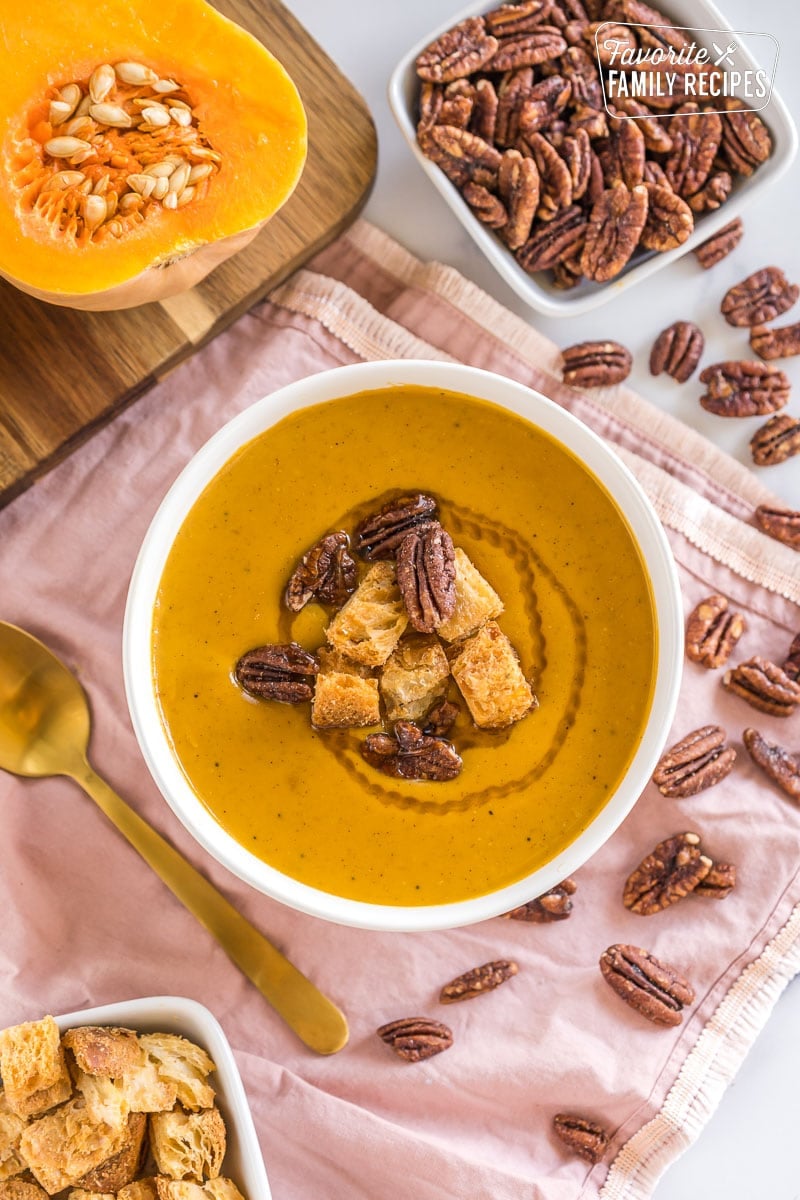
As the days grow shorter and a crisp chill fills the air, there's nothing quite as comforting as a warm bowl of soup. And when it comes to embodying the essence of autumn and winter, few dishes can rival the rich, satisfying embrace of a truly stellar butternut squash soup. Often, people assume that achieving a luxuriously creamy texture requires a generous splash of heavy cream. However, we're here to reveal the simple secret to a velvety, flavorful butternut squash soup that’s naturally creamy, incredibly wholesome, and requires absolutely no dairy cream.
This isn't just a recipe; it's an invitation to experience the full potential of this humble, vibrant gourd. By harnessing the power of roasting and a few strategic ingredients, you can create a soup that's sweet, savory, and deeply satisfying, perfect for a cozy weeknight dinner, an elegant holiday starter, or a nourishing meal any time the craving strikes.
The Secret to Unforgettable Butternut Squash Soup: Roasting
The single most transformative step in crafting an exceptional butternut squash soup is roasting the squash. While boiling or steaming might seem quicker, roasting elevates the squash's natural sugars, leading to a profound depth of flavor and a beautiful caramelization that simply can't be achieved otherwise. This process is the key to that inherent sweetness and contributes significantly to the soup's ultimate creamy texture without any added dairy.
Mastering the Roasting Process: Step-by-Step
- Selecting Your Squash: Choose a butternut squash that feels heavy for its size, indicating dense flesh, and has smooth, unblemished skin. A good average size is around 2-3 pounds. If you’re short on time, many grocery stores now offer pre-peeled and diced butternut squash, usually about 4-5 cups worth, which can save a significant amount of prep work.
- Preparation is Key: Begin by carefully cutting the butternut squash in half lengthwise. A sharp, sturdy knife is essential here. Once halved, use a spoon to scoop out the seeds and stringy bits, much like you would a pumpkin. There's no need to peel the squash at this stage; roasting actually makes the skin incredibly easy to remove later, saving you the struggle of peeling raw, hard squash.
- Oiling and Baking: Place the squash halves cut-side down on a parchment-lined baking sheet. Drizzle a little olive oil over the skin. The parchment paper prevents sticking and makes cleanup a breeze.
- The Heat Treatment: Roast your squash in a preheated oven at 425°F (220°C) for approximately 35-45 minutes, or until the flesh is fork-tender and slightly caramelized. You'll notice a delightful aroma filling your kitchen.
- Cool and Peel: Allow the roasted squash to cool slightly, making it safe to handle. The skin will practically slip right off. Once peeled, cut the tender flesh into large chunks, ready for your soup pot.
Pro Tip: Roasting the squash ahead of time, even a day or two in advance, is a fantastic way to break up your cooking process. Simply roast, cool, peel, and store the chunks in an airtight container in the refrigerator. This makes weeknight soup assembly incredibly fast. For more detailed insights into unlocking deep flavor through roasting, check out our guide on Roasted Butternut Squash Soup: Unlock Deep Flavor & Easy Prep.
Building Layers of Flavor: Beyond the Squash
While the roasted butternut squash provides the foundation, the true magic of this soup lies in the aromatic base and carefully balanced seasonings. These elements interact to create a complex, comforting flavor profile.
The Aromatic Symphony
Start with a classic mirepoix foundation (though we're simplifying here):
- Onions: Sautéing chopped onions in olive oil until they're golden and translucent builds a sweet, savory base. Don't rush this step; properly caramelized onions add significant depth.
- Garlic: Added towards the end of the onion sauté, minced garlic provides pungent aroma and flavor. Be careful not to burn it, as burnt garlic can turn bitter.
- Ginger: Freshly grated ginger is a game-changer. It introduces a gentle, warming spice that complements the squash beautifully without overpowering it. It’s a subtle yet essential note.
- A Touch of Heat: For those who appreciate a subtle kick, a pinch of cayenne pepper added with the ginger and garlic offers a delightful warmth that brightens the entire soup. It's optional, but highly recommended for an extra layer of complexity.
The Liquid Gold: Stock and Sweetness
Your choice of liquid plays a crucial role:
- Stock Selection: Low-sodium vegetable stock is often preferred for butternut squash soup as it allows you to control the overall saltiness and lets the squash shine. However, for a richer, more robust base, especially if serving it as a hearty main course, chicken broth makes an excellent substitute.
- Balancing Sweetness: Butternut squash is naturally sweet, especially after roasting. However, you might find that a touch more sweetness elevates the soup to perfection. Stir in a teaspoon or two of brown sugar for a deeper, molasses-like sweetness, or maple syrup for a more seasonal, earthy note. Honey also works beautifully. Crucially, taste your soup before adding any sweeteners – your squash might be naturally sweet enough!
- The Tangy Sparkle: A splash of rice vinegar (or even apple cider vinegar) at the end is an often-overlooked secret ingredient. It adds a bright, tangy sparkle that cuts through the richness of the squash, awakening the palate and making the soup even more dynamic and craveable.
Achieving Velvety Smoothness (Without a Drop of Cream!)
The magic of this butternut squash soup is its inherent creaminess, achieved purely through the breakdown of the tender, starchy squash. Once roasted, sautéed with aromatics, and simmered with stock, the squash is ready to transform into a silky masterpiece.
Blending for Perfection
You have a couple of excellent options for blending:
- Immersion Blender: For sheer convenience, an immersion blender (also known as a stick blender) is your best friend. Simply insert it directly into the pot, and blend until the soup is completely smooth. This method minimizes cleanup and eliminates the need to transfer hot liquids.
- Traditional Blender: If you don't own an immersion blender, a regular countertop blender works perfectly. However, extreme caution is necessary when blending hot liquids.
- Safety First: Allow the soup to cool slightly before transferring it to the blender. Hot liquids can create pressure inside a sealed blender, leading to dangerous spills.
- Blend in Batches: Never fill the blender more than halfway with hot soup.
- Vent the Lid: Remove the center cap from the blender lid (the one used for adding ingredients) and cover the opening with a kitchen towel. This allows steam to escape while preventing splatters. Hold the lid down firmly with the towel.
- Start Slow: Begin blending on a low speed and gradually increase to high until smooth.
Once blended, assess the consistency. If you prefer a thinner soup, perhaps for dipping crusty bread, add more warm stock a little at a time until you reach your desired thickness. For a hearty, spoon-coating soup, you might not need to add much, if any, extra liquid.
Putting It All Together: A Simple Step-by-Step Guide
Bringing all these elements together is surprisingly straightforward once you have your roasted squash ready.
- Sauté the Aromatics: In a large, heavy-bottomed pot or Dutch oven, heat a couple of tablespoons of olive oil over medium heat. Add your chopped onions and sauté until softened and translucent, about 5-7 minutes.
- Infuse with Spice: Add the minced garlic and grated ginger (and a pinch of cayenne if using) to the pot. Sauté for another minute until fragrant, being careful not to burn the garlic.
- Combine and Simmer: Pour in about 4-5 cups of low-sodium vegetable or chicken stock. Add the roasted squash chunks. Stir in any desired brown sugar, maple syrup, or honey at this stage. Bring the mixture to a gentle simmer, then reduce heat, cover, and let it cook for about 10-15 minutes. This allows all the flavors to meld beautifully.
- Blend Until Smooth: Remove the pot from the heat. Carefully blend the soup using an immersion blender directly in the pot, or transfer in batches to a traditional blender (following safety guidelines above) until completely smooth and creamy.
- Season and Adjust: Return the blended soup to the pot (if using a traditional blender). Stir in the rice vinegar. Taste and season generously with salt and freshly ground black pepper. Adjust sweetness, tang, or salt as needed. Remember, proper seasoning is the difference between a good soup and a phenomenal one!
Serving Suggestions and Creative Garnishes
Your homemade butternut squash soup is a versatile dish that can be dressed up or down. It makes an elegant starter for holiday meals like Thanksgiving or a comforting main course for a chilly evening.
Perfect Pairings
- Crusty Bread: A classic pairing! A warm loaf of no-knead Dutch oven bread or simple homemade garlic bread is perfect for soaking up every last drop.
- Hearty Sides: Serve alongside a skillet of cast iron cornbread, light and fluffy Aunt Bee’s 3-ingredient biscuits, or even a slice of savory pumpkin cranberry bread.
- Fresh Salads: For a lighter meal, pair with a crisp kale apple salad with maple bacon or a simple green salad with a vinaigrette dressing.
Elevate with Garnishes
Garnishes add visual appeal, texture, and an extra layer of flavor:
- Dairy Swirls: A dollop of sour cream, Greek yogurt, or a swirl of crème fraîche.
- Fresh Herbs: Chopped chives, parsley, cilantro, or a sprig of thyme.
- Crunch Factor: Homemade croutons, toasted pumpkin seeds (pepitas), toasted pecans or walnuts, or even crispy bacon bits.
- Cheesy Goodness: A sprinkle of grated Parmesan, Gruyere, sharp cheddar, crumbled feta, or tangy goat cheese adds a wonderful salty counterpoint.
- Spiced Oils: A drizzle of chili oil or a swirl of good quality olive oil.
This soup is truly a blank canvas for your creativity. For more ideas on how to make this soup your go-to for cozy nights and holiday tables, explore our article: Butternut Squash Soup: Your Go-To for Cozy Nights & Holiday Tables.
Embrace the warmth and natural goodness of this creamy, no-cream butternut squash soup. It's a simple recipe that delivers complex flavors, proving that you don't need dairy to achieve a luxurious texture. With its inherent sweetness, warming spices, and silky smooth finish, this soup is destined to become a staple in your culinary repertoire, bringing comfort and deliciousness to your table throughout the seasons.
